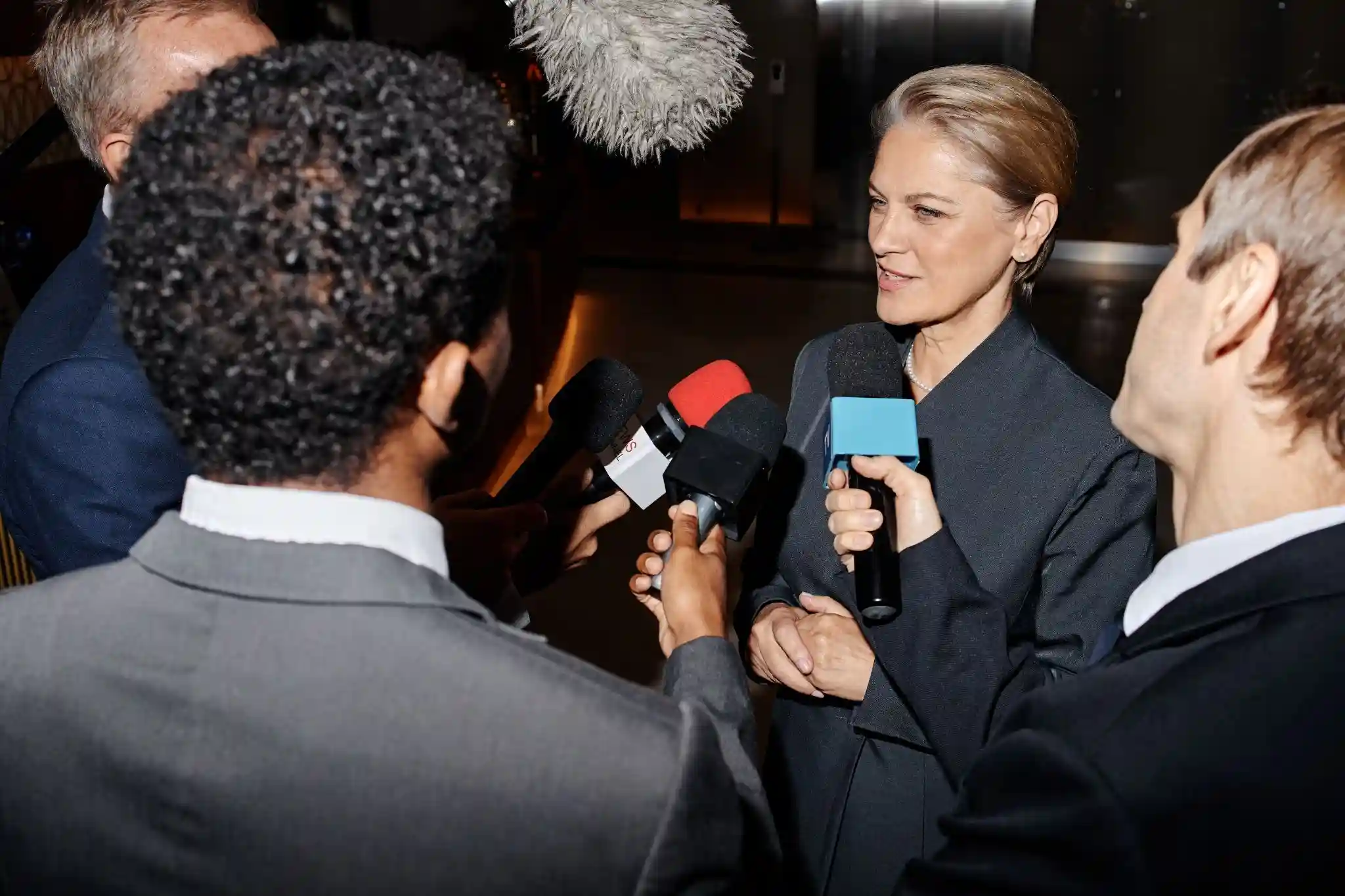
Celebrity gossip is more than casual chatter; it’s a global cultural phenomenon that spans magazines, social media, blogs, podcasts, and television. People are drawn to the personal lives of famous figures because these stories offer entertainment, inspiration, and sometimes shock value. The allure comes from curiosity and a desire to glimpse lifestyles far removed from our own. Fans follow updates about relationships, controversies, career milestones, fashion choices, and social causes because it creates a sense of connection, even if fleeting.
Gossip also plays a pivotal role in shaping public perception. A single rumor or viral story can redefine how audiences view a celebrity’s personality, choices, and professionalism. This influence extends beyond fan opinions; it can affect endorsements, social campaigns, and career opportunities. Celebrities are, in a sense, both people and brands, and public perception is critical for their success.
This guide aims to equip readers with the knowledge and tools to separate fact from fiction. By understanding how gossip spreads, identifying reliable sources, and analyzing stories critically, you can enjoy celebrity updates responsibly without falling into the trap of misinformation.
The Anatomy of Celebrity Gossip
Celebrity gossip rarely emerges from a single source. Often, it begins as a small tip, an unnoticed social media post, or even an ambiguous public appearance. From there, it can grow exponentially as bloggers, influencers, tabloids, and mainstream media outlets pick up the story. Social media platforms like Twitter, Instagram, TikTok, and Facebook have accelerated this process, turning minor rumors into viral sensations within hours.
The mechanisms of gossip are sophisticated. Sensationalism drives engagement, and algorithms amplify content that generates clicks, comments, and shares. Bloggers and tabloid journalists sometimes twist context or speculate on incomplete information to maximize attention. Understanding this amplification is critical for anyone attempting to navigate celebrity news responsibly.
A crucial part of this process is distinguishing between credible reporting and hearsay. Not all outlets adhere to journalistic ethics or verification standards. Many rumors masquerade as facts, leaving readers misinformed. Recognizing these patterns early helps audiences critically evaluate each story, separating genuine news from exaggerated speculation. The more we understand the anatomy of celebrity gossip, the more empowered we become to consume it intelligently.
Common Myths in Celebrity Culture
The world of celebrity culture is riddled with myths and misconceptions. Many believe wealth automatically equates to happiness or that all personal events are public knowledge. Others assume public personas accurately reflect private behavior. Such myths persist because people enjoy simplified narratives and dramatic stories.
Rumors often escalate into widely accepted “truths” due to repetition across multiple media platforms. A single unverified claim can spread through social media, blogs, and mainstream outlets, gaining credibility simply because it is seen frequently. These narratives often become self-sustaining, shaping fan perceptions and, in some cases, impacting celebrity careers.
Sensational stories appeal to emotions. They evoke curiosity, excitement, anger, or even schadenfreude. The human brain naturally seeks stories that confirm biases or entertain, which encourages sharing without verification. Recognizing the psychological appeal of gossip is an important step in reducing susceptibility to false claims.
By understanding these myths, readers can enjoy celebrity news without blindly accepting every headline. Awareness and critical thinking help prevent being misled by narratives designed for maximum engagement rather than truth.
Tools for Fact-Checking Celebrity News
Fact-checking is essential in navigating celebrity gossip responsibly. Begin with source verification. Trusted outlets follow journalistic ethics, cite interviews or official statements, and provide clear evidence for claims. Blogs, forums, and social media posts without verifiable sources should be approached with skepticism.
Cross-referencing multiple reports is another critical technique. If several credible sources independently report the same event, the likelihood of accuracy increases significantly. Conversely, if a story appears on only one platform with no corroboration, it is likely unreliable.
Social media leaks require extra caution. Screenshots, videos, or quotes can be edited, misrepresented, or entirely fabricated. Understanding context, origin, and intent is essential before accepting content as fact.
Reliable Sources vs. Tabloids
Reliable sources typically have a professional editorial process, provide citations, and are accountable for errors. Tabloids, in contrast, often rely on anonymous sources and speculative content. Red flags include sensational headlines, inconsistent reporting, and prioritizing scandal over substance. Evaluating the editorial approach of a source is crucial to determining credibility. Learning these distinctions protects readers from misinformation and helps maintain a balanced understanding of celebrity news.
Using Technology for Verification
Modern technology provides powerful tools for fact-checking. Fact-checking websites specialize in evaluating viral claims, debunking false stories, and clarifying context. Reverse image searches allow readers to trace the original source of photographs, helping to detect manipulation or misattribution. Video verification tools identify edits, deepfakes, or staged scenes.
Media literacy apps teach audiences how to evaluate sources, spot biases, and question viral content. By combining technology with critical thinking, readers can navigate celebrity news with confidence and reduce the risk of spreading false information.
The Ethics of Consuming and Sharing Gossip
Celebrity gossip is not harmless; it affects real people. False rumors can damage mental health, personal relationships, and careers. Even innocent-sounding stories can escalate and create lasting consequences.
Legal frameworks exist to protect individuals from defamation and libel. Sharing false information, even unintentionally, can lead to serious repercussions. Understanding these boundaries reinforces responsible behavior when consuming or sharing celebrity news.
Ethical consumption requires thoughtfulness. Before sharing a story, ask whether it’s verified, respects privacy, and could potentially harm someone. Promoting responsible habits fosters a healthier media ecosystem. By being conscious of ethics, readers can enjoy celebrity culture without perpetuating harm or misinformation.
The Role of Fans in Amplifying or Debunking Rumors
Fans wield significant influence over the spread of celebrity gossip. Communities on Reddit, Discord, Twitter, and Instagram can amplify rumors or help debunk misinformation. Social media trends, hashtags, and viral campaigns often determine which stories gain traction.
Fan-led fact-checking has proven effective in countering false claims. Examples include clarifying misquoted interviews, exposing manipulated images, and correcting timeline inconsistencies. Engaged fan communities often become watchdogs, ensuring more accurate reporting.
Understanding fan influence highlights the dual responsibility of audiences. Fans can either fuel misinformation or contribute to accuracy. Active engagement with verified content improves the quality of celebrity discourse and encourages more ethical media consumption overall.
Case Studies: Famous Gossip Debunked
High-profile rumors have repeatedly shown the risks of unverified gossip. For instance, celebrity breakups, scandals, or health concerns have gone viral only to be publicly denied or corrected later. Media outlets sometimes retract stories, but the initial false impressions can linger, demonstrating the lasting impact of rumor.
Another example includes viral misinterpretations of social media posts. A tweet or Instagram caption taken out of context may spark a scandal, even when the intent was benign. Fan and media clarifications are often required to restore truth, but not all readers follow updates, leaving misinformation lingering in public perception.
These case studies highlight the importance of skepticism. Following stories to their verified source, checking statements, and analyzing media behavior prevent the spread of false narratives and protect both audiences and celebrities.
The Future of Celebrity Gossip
Celebrity reporting is evolving in the digital age. AI-generated content, deepfakes, and automated summaries create new challenges for consumers. Algorithms amplify sensational content, making it harder to distinguish truth from fiction.
Media literacy will become increasingly vital. Audiences must learn to evaluate credibility, recognize bias, and question sensational headlines. This shift places responsibility on consumers to navigate the growing complexity of digital celebrity culture.
Predictions suggest that celebrity gossip will remain popular, but the tools to consume it wisely will become essential. Verified sources, fact-checking technologies, and informed fan communities will shape the next era of entertainment reporting, promoting accuracy while retaining engagement.
Conclusion
Separating fact from fiction requires awareness, verification, and ethical consideration. Follow credible sources, cross-check claims, and exercise caution with social media content. Enjoy celebrity news critically, understanding that entertainment can coexist with accuracy.
Before sharing, ask yourself: Is this verified? Could it be misleading? Could it harm someone? Responsible consumption ensures that you enjoy the buzz without spreading misinformation or perpetuating harm. By approaching celebrity gossip with skepticism, curiosity, and ethical awareness, you can navigate the celebrity landscape confidently, intelligently, and responsibly.