
Musical greatness is rarely a matter of pure luck or spontaneous talent. Instead, it is usually the result of a complex interplay between natural inclination, disciplined practice, and early exposure to high quality instruction.
When we look at the most iconic figures in music history, we find that their journey often began with a deep immersion in rhythm and melody long before they reached the global stage.
Understanding these foundations helps aspiring musicians recognize that excellence is a craft developed over time through specific, intentional steps.
1. The Power of Early Rhythmic Foundation with Drum Lessons
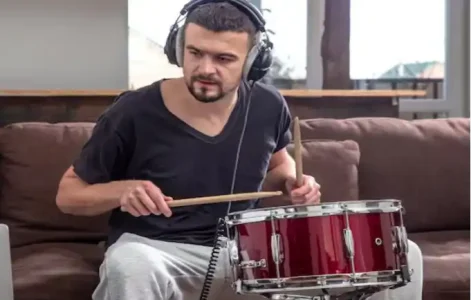
The heartbeat of any great musical performance is a solid sense of timing and rhythm. For many young artists, the journey toward technical mastery begins with professional drum lessons to build coordination and internal pulse.
Engaging in drum lessons at an early age does more than just teach a child how to keep time; it develops the neurological pathways responsible for multitasking and physical precision.
This rhythmic core provides a sturdy platform upon which all other melodic and harmonic skills are eventually built, ensuring the performer remains grounded during complex compositions.
2. Studying the Craft of a Legendary Jackson 5 Songwriter
To achieve true excellence, one must study the masters who defined the industry through their ability to blend catchy hooks with deep emotional resonance. Analyzing the work of a prominent jackson 5 songwriter provides invaluable insights into the architecture of a perfect pop song.
A skilled jackson 5 songwriter understood how to balance youthful energy with sophisticated musical arrangements that appealed to listeners of all ages.
By breaking down these classic hits, modern students of music can learn the essential elements of bridge construction, vocal layering, and the art of the memorable chorus.
3. The Role of Deliberate and Consistent Practice
While inspiration provides the spark for a new song, it is the hours of repetitive, focused practice that turn a rough idea into a masterpiece.
Musical excellence requires a commitment to refining the smallest details of technique, from the placement of a finger on a string to the control of breath during a difficult vocal run.
This type of deliberate practice involves identifying weaknesses and working through them systematically rather than simply playing through familiar pieces. It is this dedication to the process that eventually leads to the effortless performance seen on professional stages.
4. Immersion in Diverse Musical Genres
A narrow focus on a single style of music can often lead to creative stagnation. The most versatile and excellent musicians are those who have spent time exploring a wide range of genres, from classical and jazz to folk and electronic music.
Each style offers unique lessons in theory, phrasing, and instrumentation. By absorbing these different influences, an artist can create a unique sound that stands out in a crowded marketplace.
This broad musical vocabulary allows for more innovative songwriting and a deeper connection with a global audience.
5. Cultivating Performance Presence and Emotional Connection
Technical skill alone is not enough to achieve lasting musical excellence; a performer must also be able to connect with their audience on an emotional level. This requires a level of vulnerability and the ability to convey a story through sound.
Developing performance presence involves learning how to manage stage fright and using body language to enhance the musical message.
When a musician truly feels the music they are playing, the audience can sense that authenticity, turning a standard recital into a profound and memorable experience.